
A hair transplant for women is not just a smaller version of what men get. The pattern of loss, the donor supply, the hairline design, and the cause of thinning are all different. Getting this wrong is why many women are told “you are not a candidate” when they actually are.
I’m Dr. Gaurav Solanki. Roughly 20% of my hair restoration cases are women. This guide walks you through how a surgeon actually evaluates a female hair transplant case in 2026. No jargon. No marketing fluff.
Quick answer: hair transplant for women in India
A hair transplant for women works best for localised thinning a receded temporal area, a wide parting, a thin crown, or a high forehead. It works poorly for diffuse thinning across the whole scalp, because the donor area at the back is usually also thinning. Cost in India ranges from ₹70,000 to ₹2,50,000 depending on graft count. Recovery takes 10 to 14 days. Final results show at 10 to 12 months.
Is hair transplant for women different from men?
Yes. Five big differences change how we plan your case:
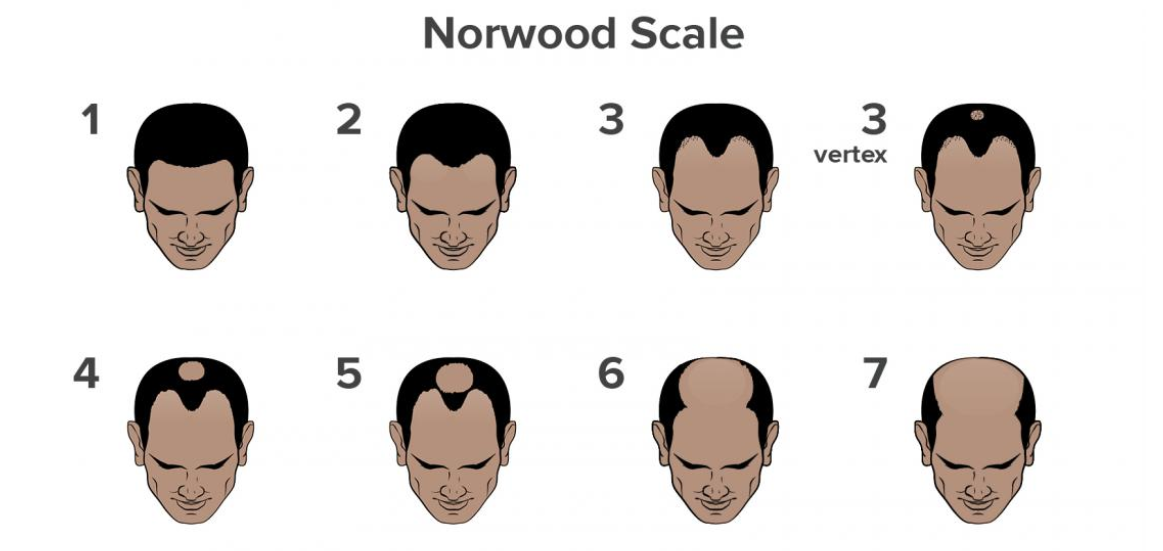
- Pattern of loss. Men usually lose hair in a classic horseshoe pattern. Women more often show diffuse thinning hair gets finer all over the scalp. That changes both the goal and the technique.
- Donor area. In men, the back and sides stay dense because they are DHT-resistant. In women, the back is often thinning too. So the usable donor supply is smaller.
- Goal. Men usually want to create a hairline where there is none. Women usually want to thicken areas that are still partly covered.
- Shaving. Women rarely want their scalp shaved. That rules out standard FUE and makes no-shave DHI or a narrow-strip FUE the preferred options.
- Underlying cause. Female hair loss more often has a medical cause thyroid, PCOS, iron deficiency, post-partum shedding, chronic telogen effluvium. A transplant will not fix a cause that is still active.
What causes hair loss in women?
Before anyone talks about surgery, the cause of your hair loss needs to be understood. In my practice, these are the most common reasons I see:
- Female pattern hair loss (FPHL). The female version of male-pattern baldness. Usually shows as a widening parting. Genetic, slow, progressive.
- Telogen effluvium. Sudden, diffuse shedding triggered by illness, surgery, crash dieting, pregnancy, or stress. Usually reverses in 6 to 9 months.
- Thyroid disorders. Both underactive and overactive thyroid cause hair loss. Blood test is mandatory.
- PCOS and hormonal imbalance. Excess androgens cause pattern thinning even in young women.
- Iron, ferritin, vitamin D deficiency. Common in Indian women. Correcting these often reverses the hair loss without any procedure.
- Traction alopecia. From tight hairstyles or hair extensions. Hairline recession at the temples. Reversible if caught early.
- Scarring alopecia. Less common but serious. The scalp itself is damaged. Transplant often does not work here.
A proper consultation should include a blood panel (thyroid, ferritin, vitamin D, hormones) and a trichoscopic scalp exam. Any clinic that books you for surgery without this workup is skipping steps.
When is a hair transplant right for you?
You are usually a good candidate for a hair transplant if you have:
- Clearly localised thinning a wide parting, receded temples, thinning crown, or a high forehead.
- A healthy donor area at the back and sides of the scalp with good density.
- Stable hair loss for at least 12 months (no active shedding phase).
- No untreated medical cause thyroid, iron, hormones all in range.
- Realistic expectations the goal is density improvement, not a completely new head of hair.
You are usually not a good candidate if your thinning is diffuse across the whole scalp, if your donor area is also sparse, or if your hair loss is still actively progressing. In those cases, PRP, GFC, oral minoxidil, or spironolactone will give better results than surgery.
Types of hair transplant for women
No-shave DHI (most common)
The go-to technique for women. Only the donor area a small strip at the back is trimmed short. The recipient area stays at full length. After the procedure, your long hair covers the donor trim while it grows back. Most women walk out looking almost normal.
FUE with partial shave
A small horizontal strip at the back is shaved for graft extraction. Your existing long hair covers the shaved area completely after the procedure. A simpler, slightly cheaper option for larger cases.
Eyebrow and hairline reshape
Many women come in not for a full scalp transplant, but to lower a high forehead, rebuild thinned temples, or restore eyebrows thinned by over-plucking or thyroid issues. These are smaller cases 400 to 1,200 grafts with very natural results.
What to expect: procedure, recovery, results
- Procedure day. 6 to 8 hours under local anaesthesia. You eat, read, watch shows through it. No general anaesthesia, no hospital stay.
- Day 1 to 3. Mild scalp tenderness. Possible forehead swelling that settles in 48 hours. You can do desk work from day 2.
- Day 7 to 10. Tiny scabs fall off. Normal hair washing resumes.
- Week 3 to 6. The transplanted hairs shed. This is expected and not a failure the follicle stays safely embedded.
- Month 3 to 4. New hair starts to grow through.
- Month 6. Around 60 to 70% of final density is visible.
- Month 10 to 12. Full results. Hair can be coloured, styled, blow-dried normally.
Hair transplant cost for women in India (2026)
Costs depend on the technique and the graft count. DHI is priced higher than FUE because of the specialised Choi implanter pen. No-shave adds to the cost because of the longer operating time. Typical 2026 ranges in India:
| Case type | Graft count | Cost range (India, 2026) |
|---|---|---|
| Eyebrow transplant | 100 – 400 | ₹40,000 – ₹90,000 |
| Temple / hairline reshape | 500 – 1,200 | ₹50,000 – ₹1,30,000 |
| Parting or crown fill (DHI) | 1,000 – 1,800 | ₹70,000 – ₹1,80,000 |
| Full scalp density case | 1,800 – 2,800 | ₹1,50,000 – ₹2,50,000 |
A transparent quote should include consultation, blood tests, the surgery, take-home medications, and at least three post-op reviews. PRP or GFC boosters are typically quoted separately at ₹5,000 to ₹12,000 each.
Side effects and risks
A hair transplant is a safe day-care procedure when done properly. The main risks for women are:
- Shock loss. Temporary shedding of existing hair around the transplanted area. More common in women than men. Usually recovers in 3 to 6 months.
- Donor area thinning. If too many grafts are taken, the back of the scalp can show visible thinning. A careful surgeon will cap the harvest at 20 to 25% of donor density.
- Disappointing density. Women usually need realistic expectations. The goal is thickening the appearance, not doubling hair count.
- Folliculitis, scabbing, mild infection. Minor, self-limited, manageable with standard post-op care.
- Persistent numbness or tingling. Usually resolves in 3 to 6 months.
Before you book 5 questions every woman should ask
- What caused my hair loss, and is it still active? If the cause is untreated, the transplant will fight a losing battle.
- Is my donor area strong enough? Density at the back must be measured, not assumed.
- Who is actually doing the surgery? The surgeon, or a technician? Get the name in writing.
- Can this be done without shaving my scalp? For most cases, yes. Make sure no-shave DHI is available.
- What result is realistic for my case? A good surgeon will show you unedited before-after cases of women with hair loss similar to yours.
Hair transplant for women at Cult Aesthetics
At Cult Aesthetics in Gurgaon, I personally assess every female case. We start with a full blood workup and trichoscopic scalp exam. If there is an active medical cause, we treat that first. Many women end up not needing surgery at all after proper medical management and I will tell you that openly.
When surgery is the right call, we offer no-shave DHI as the default technique for women. Every case is performed by me extraction, hairline design, and implantation. We publish case-by-case before-after photography with graft counts and timelines, so you can see real results, not brand photos.
Book a free consultation for a direct answer on whether a hair transplant is right for your case. You can also read more about our DHI hair transplant in Gurgaon, PRP hair treatment, and GFC hair treatment the three main non-surgical alternatives for female hair thinning.
Frequently asked questions about hair transplant for women
Can a woman get a hair transplant?
Yes. A hair transplant works well for women with localised thinning a wide parting, thinning temples, a receded hairline, or a thin crown. It works less well for diffuse thinning across the entire scalp, because the donor area is also affected. A surgeon should evaluate your donor density before committing.
Is hair transplant for women permanent?
The transplanted hair is permanent for most women. However, female hair loss is often progressive, so non-transplanted areas may continue to thin over time. This is why most surgeons recommend PRP or GFC maintenance after the transplant to protect the surrounding native hair.
Do I have to shave my head for a hair transplant?
No. Most female cases are done with no-shave DHI. Only a small strip at the back is trimmed short for graft extraction. The rest of your hair stays at full length and covers the trimmed area completely after the procedure.
How much does a hair transplant cost for women in India?
In India in 2026, a hair transplant for women costs between ₹70,000 and ₹2,50,000. Smaller cases like eyebrow transplants start at ₹40,000. Large parting or crown cases can reach ₹2,00,000. DHI and no-shave techniques cost more than standard FUE.
What is the best age for a hair transplant for a woman?
Most women who get hair transplants are between 35 and 60. This is because female pattern hair loss needs to be stable, not actively progressing. For women under 30, the cause is more likely hormonal or nutritional, and treating the cause usually works better than surgery.
How long does it take to recover from a female hair transplant?
Most women return to desk work within 2 to 3 days. Scabs fall off by day 10. Normal hair washing resumes by day 14. Full aesthetic recovery when the scalp looks completely normal takes about 3 to 4 weeks. Final results are visible at 10 to 12 months.
Will a hair transplant stop my hair loss?
A transplant adds new hair to thinned areas. It does not stop hair loss in areas that have not been transplanted. To protect surrounding native hair, most surgeons recommend ongoing medical management PRP or GFC sessions, topical minoxidil, or oral spironolactone depending on the underlying cause.
About the author: Dr. Gaurav Solanki is a plastic and hair restoration surgeon at Cult Aesthetics in Sector 46, Gurugram. He has performed 800+ hair restoration procedures across FUE, DHI, PRP, and GFC, including a dedicated women’s-case practice. Clinical case galleries and reviewer credentials are available on the clinic homepage. Last reviewed: April 2026.
Hair Restoration Resources
Surgeon-authored guides on every aspect of hair transplant decision-making in Gurgaon and Delhi.
- ➜ Hair Transplant in Gurgaon
- ➜ Hair Transplant Cost in Gurgaon 2026
- ➜ FUE vs DHI vs Sapphire — Surgeon's Guide
- ➜ PRP vs GFC vs Mesotherapy
- ➜ How to Choose a Hair Transplant Surgeon
- ➜ Hair Transplant Cost in India 2026
- ➜ FUE Hair Transplant Gurgaon
- ➜ DHI Hair Transplant Gurgaon
- ➜ GFC Hair Treatment Gurgaon
- ➜ PRP Hair Treatment Gurgaon
- ➜ Hair Fall Treatment Gurgaon
- ➜ Best Hair Transplant Clinic in Delhi
- ➜ Beard Transplant Gurgaon
- ➜ Hair Transplant in Delhi