

Noticing more hair on your pillow every morning or watching it clump in the shower drain? You’re not alone. In a fast-paced city like ours, hair fall is quickly becoming one of the most common concerns for men and women alike. If you are looking for an effective hair fall treatment in Gurgaon, you have likely realized that generic shampoos and oils simply aren’t enough to combat the city’s unique environmental stressors.
Between the notorious hard water, fluctuating air quality, high-stress corporate lifestyles, and extreme climate, our hair goes through a lot. In this comprehensive guide, we will break down everything you need to know about hair loss from understanding the real local and medical causes to exploring the best, science-backed treatments available in Gurgaon today.
What Is Normal Hair Fall vs. Excessive Hair Fall?
Before panicking about every strand you lose, it is important to understand the natural hair growth cycle. Clinically speaking, shedding 50 to 100 strands of hair a day is completely normal. Your hair goes through growing, resting, and shedding phases, and this daily loss is just the resting hair making way for new growth.
However, when shedding crosses that normal threshold, it becomes a medical concern. You may be experiencing excessive hair shedding if you notice:
- A widening parting or visible scalp.
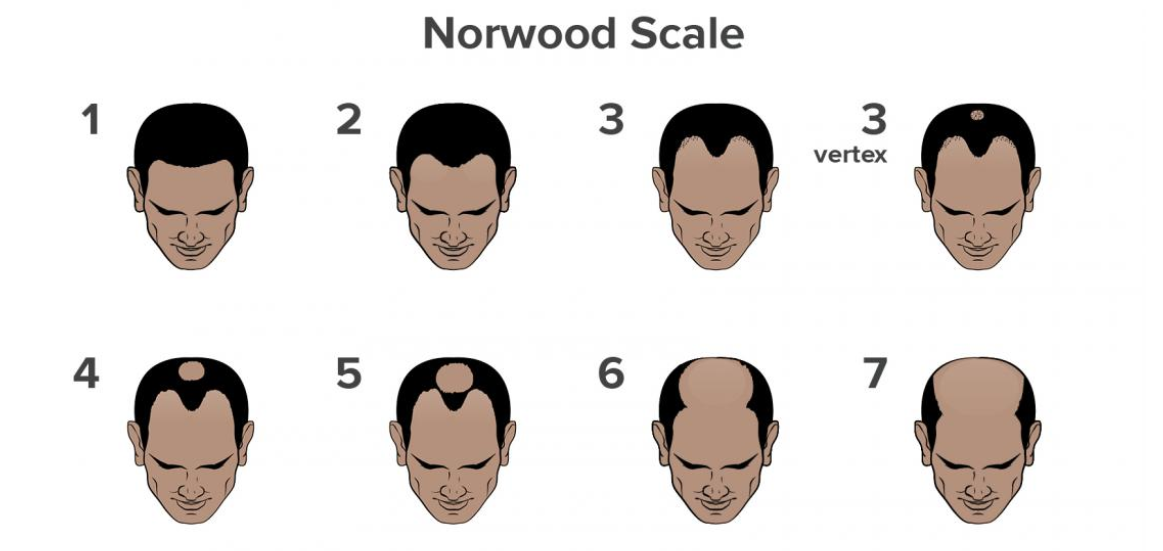
- A receding hairline at the temples or forehead.
- Unusually large clumps of hair falling out post-shower or during brushing.
- Bald patches appeared suddenly.
Try the Pull Test: Gently grasp about 60 strands of hair and pull lightly as you run your fingers through them. If more than 6 strands come out in your hand, it may indicate active hair fall, and it’s time to look into hair thinning causes and seek professional help.
Common Causes of Hair Fall in Gurgaon
What causes hair fall? The answer is usually a combination of local environmental factors and underlying medical conditions. Correct diagnosis is essential before starting any treatment.
Gurgaon-Specific Causes
- Hard Water: Gurgaon’s water supply is notorious for its high Total Dissolved Solids (TDS), specifically calcium and magnesium. Washing your hair with this water causes a mineral buildup on the scalp, which blocks pores, causes severe dryness, and weakens the hair follicles. “Gurgaon hard water hair fall” is a well-documented phenomenon.
- Air Pollution: Delhi-NCR frequently records high AQI levels. The particulate matter in polluted air causes oxidative stress on the scalp, leading to inflammation and premature aging of the hair follicles.
- Corporate Stress: With a dense population of IT and MNC professionals working in areas like Cyber City and Golf Course Road, high stress, long hours, and poor sleep are rampant. This lifestyle triggers a stress-related shedding condition known as telogen effluvium.
- Diet and Urban Lifestyle: Irregular eating habits, reliance on fast food, and lack of sun exposure in AC offices often lead to critical nutritional deficiencies—especially iron, Vitamin D, and biotin.
General Medical Causes
Aside from the environment, underlying medical and genetic issues play a major role:
- Androgenetic Alopecia: The most common type of hair loss, better known as male or female pattern baldness. It is genetic and progressive.
- Telogen Effluvium: Sudden, widespread shedding triggered by physical or emotional trauma, such as a severe illness (like dengue or COVID-19), surgery, or massive weight loss.
- Hormonal Imbalances: Conditions like PCOS, thyroid disorders, and postpartum changes frequently cause hair fall in women.
- Alopecia Areata: An autoimmune condition where the body’s immune system mistakenly attacks hair follicles, leading to completely bare, round patches.
- Scalp Conditions: Severe dandruff, seborrheic dermatitis, or scalp psoriasis can damage follicles and accelerate hair loss.
How Is Hair Fall Diagnosed? What to Expect at a Gurgaon Clinic
The biggest mistake people make is buying expensive serums without knowing why their hair is falling out. A thorough diagnosis is the foundation of the best dermatologist for hair fall Gurgaon. When you visit a reputable hair loss clinic Gurgaon, here is what you should expect:
- Trichoscopy / Scalp Microscopy: A dermatologist will use a specialized, magnifying tool called a dermatoscope to examine your scalp up close. Trichoscopy in Gurgaon clinics allows doctors to look at hair follicle density, check for miniaturization (thinning of individual strands), and assess the health of the scalp skin.
- Detailed Blood Tests: To rule out internal triggers, you may need a Complete Blood Count (CBC), a thyroid panel, and tests for ferritin (iron stores), Vitamin D, and Vitamin B12. Women may also need tests for hormones like DHEA-S and testosterone.
- The Pull Test & Hair Count Test: A clinical assessment to gauge the severity of active shedding.
- Scalp Biopsy: Rarely required, but occasionally used for complex or scarring hair loss cases.
Tired of guessing what’s causing your hair fall? Book a comprehensive scalp analysis at Cult Aesthetics, Gurgaon. Let our expert dermatologists diagnose the root cause and customize a treatment plan for you.
Best Hair Fall Treatments Available in Gurgaon
Once your condition is diagnosed, your dermatologist will create a targeted treatment protocol. These usually range from topical medications to advanced clinical procedures.
Medical & Topical Treatments (First-Line Defense)
- Minoxidil: An FDA-approved topical solution that stimulates blood flow to the follicles, highly effective for androgenetic alopecia. (Oral minoxidil is also emerging as a powerful newer option under strict medical supervision).
- Finasteride: An oral prescription medication for men suffering from androgenetic alopecia that blocks the hormone (DHT) responsible for follicle shrinkage.
- Anti-Androgens: Medications like spironolactone, often prescribed to women experiencing hair thinning due to PCOS.
- Nutritional Supplements: High-grade Biotin, Iron, Zinc, and Vitamin D supplements (prescribed only after a blood test confirms a deficiency).
- Medicated Shampoos: Prescription shampoos containing ketoconazole or zinc pyrithione to treat dandruff and scalp inflammation.
Hair Fall Treatment for Women — Special Considerations
Female hair fall presents very differently from male hair fall. Instead of a receding hairline, women typically experience “diffuse thinning”—a widening of the hair parting and a general loss of volume where the scalp starts showing through.
Triggers are also highly specific to women. PCOS, thyroid imbalances, postpartum hair loss (a severe form of telogen effluvium), and menopausal hormonal shifts are leading culprits. Because of this, a comprehensive hormonal blood panel is absolutely crucial before beginning female hair loss treatment in Gurgaon.
Treatments that are highly effective and safe for women include GFC, PRP, mesotherapy, topical minoxidil, and targeted anti-androgen therapy. However, women of childbearing age must avoid certain oral medications like Finasteride due to high risks. Finding a specialist who understands PCOS hair fall treatment Gurgaon and postpartum hair loss treatment is critical to restoring your hair safely.
How Much Does Hair Fall Treatment Cost in Gurgaon?
Cost is a major factor when planning your treatment journey. The hair fall treatment cost in Gurgaon varies based on the severity of your hair loss, the reputation of the clinic, the dermatologist’s expertise, and the equipment used.
Here is a general breakdown of what to expect:
- PRP hair treatment price Gurgaon: ₹4,000–₹8,000 per session. A full course costs around ₹20,000–₹45,000.
- GFC Treatment: ₹8,000–₹15,000 per session. A full course costs around ₹30,000–₹60,000.
- Mesotherapy: ₹3,000–₹6,000 per session.
- Hair Transplant (FUE): ₹40,000 to ₹1.2 lakh+, largely depending on the number of grafts required and the surgeon’s expertise.
A Note on Trust: Beware of clinics or salons offering heavily discounted, very low-cost PRP. The quality of the centrifuge machines and the extraction protocols matter significantly. Poorly processed plasma will yield zero results, meaning cheap PRP is often just a waste of money.
Tips to Manage Hair Fall at Home (Dermatologist-Recommended)
While clinical intervention is required for medical hair loss, adjusting your daily routine can heavily support your treatment results:
- Install a Shower Filter: This is a must-have Gurgaon local tip. A good shower filter will neutralize the hard water minerals, preventing scalp buildup and severe dryness.
- Switch to Gentle Cleansers: Use a mild, sulphate-free shampoo to avoid stripping your scalp of natural oils.
- Optimize Your Diet: Hair is made of keratin (protein). Ensure you are eating protein-rich foods and incorporating iron and zinc sources like lentils, spinach, eggs, and nuts.
- Stop the Traction: Avoid tight ponytails, tight braids, and excessive heat styling, which cause mechanical breakage (traction alopecia).
- Manage Stress: Because telogen effluvium is directly linked to stress, incorporating sleep hygiene, exercise, or meditation can physically save your hair.
- Don’t Over-Oil: If your scalp is inflamed, infected, or prone to heavy dandruff, leaving thick oil on it overnight can block follicles and worsen the fall.
- Beware of “100% Herbal” Claims: Be highly cautious of online remedies claiming to cure baldness. They are usually not evidence-based for clinical hair fall.
Home care helps support a healthy scalp, but for clinical, progressive hair fall, a professional diagnosis is irreplaceable.
Conclusion
Hair fall in Gurgaon is a complex issue driven by a mix of local environmental factors like hard water and stress and underlying medical conditions. While the market is flooded with quick-fix oils and shampoos, true restoration requires a clinical approach. Effective treatments like PRP, GFC, and topical solutions exist and work beautifully, but their success hinges entirely on early diagnosis and a personalized treatment plan.
If you’re concerned about hair fall, don’t wait until the thinning becomes irreversible. Book a detailed hair analysis consultation at Cult Aesthetics, Gurgaon. Our expert dermatologists use advanced trichoscopy to find the exact root cause of your shedding and create a science-backed plan that’s exactly right for you.
Frequently Asked Questions
Q1: Can hair fall be permanently stopped?
This depends on the cause. Genetic (androgenetic) hair loss requires ongoing management and maintenance to hold onto your hair. Nutritional or stress-related hair fall, however, can often be fully reversed with the right treatment. Early diagnosis is the key to the best outcomes.
Q2: Is PRP better or GFC for hair fall treatment in Gurgaon?
Both are highly effective. GFC uses more concentrated growth factors and often shows faster results in fewer sessions. PRP is a more established procedure and is slightly more affordable. The best choice depends on your specific stage of hair loss—a dermatologist will advise you after performing a trichoscopy.
Q3: Does Gurgaon’s hard water cause hair fall?
Yes. Hard water causes a buildup of calcium and magnesium on the scalp. This mineral layer blocks pores, causes severe dryness, makes hair brittle, and weakens the follicle. Using a shower filter alongside an appropriate clarifying scalp treatment can help significantly.
Q4: How many PRP / GFC sessions are needed?
For PRP, doctors typically recommend 4 to 6 monthly sessions, followed by maintenance sessions every 3 to 6 months. For GFC, 3 to 4 sessions are usually required, with visible improvements often noticed after the first or second session. Exact protocols are set after an in-clinic evaluation.
Q5: Which doctor should I see for hair fall in Gurgaon — dermatologist or trichologist?
A qualified dermatologist (an MD in Dermatology) specializing in hair disorders is the gold standard. Non-medical “trichologists” at salons do not hold medical degrees and cannot legally diagnose internal conditions or prescribe medication.
Q6: When does hair fall become a medical emergency?
If you notice sudden, large bald patches appearing overnight, your hair falling out in massive clumps, or hair loss accompanied by severe itching, pain, or redness, you should see a dermatologist immediately. These symptoms could point to alopecia areata or a severe scalp infection that needs prompt medical intervention.