
Hair transplantation has become an increasingly popular solution for hair loss, offering hope for many individuals seeking to restore their hairline and confidence. However, the reality is that not all procedures result in successful outcomes. Some patients experience disappointing or unnatural results, leading to questions about why hair transplants fail. This article explores the top five reasons behind these failures, emphasizing how patients and clinics can work together to improve success rates and set realistic expectations.
Major Causes of Hair Transplant Failure
1. Poor Donor Area Planning
One of the most critical factors influencing the success of a hair transplant is the planning of the donor area. The donor zone, located at the back of the scalp, supplies the follicles for transplantation. Often, clinics push limits by extracting too many grafts from a limited donor zone, especially when marking aggressive targets like 5000, 6000, or even 7000 grafts in a single session. However, these large numbers are only feasible if the donor area is of excellent quality, and multiple procedures or combining beard hair with scalp hair may be necessary. If the donor area is not adequately assessed, or if non-permanent zones are used for harvesting, the transplanted hair may fall out within a few years. Therefore, proper evaluation and respecting the limits of the donor zone are vital for long-term success.
2. Unskilled Surgeons and Inexperienced Technicians
The hair transplant market’s competitiveness has led to an increase in unqualified practitioners and cosmetic advisors promising quick, cheap results. These scammers often perform the procedures with inadequate training, relying on a team instead of a skilled surgeon. Successful hair transplants require a cohesive team effort involving an experienced surgeon and trained technicians. The surgeon’s role extends beyond performing the procedure to overseeing the entire process, including graft handling and implantation. To ensure safe and natural results, patients should always choose the best hair transplant surgeon in India and verify the clinic’s history of documented results, ideally with a portfolio of hundreds of successful cases, rather than trusting empty claims or fake expertise.
3. Handling of Grafts
Graft handling is an intricate process that affects the survival and natural appearance of transplanted hair. Many clinics lack transparency about how they handle grafts, making it hard for patients to evaluate their quality.A reputable clinic should have a documented track record of properly handling thousands of grafts over many years. To assess this, patients are advised to review before-and-after photos covering various degrees of hair loss, from frontal to crown areas, and to ensure results are realistic. Overpromising dense coverage beyond the natural limits and using misleading photos can lead to disappointment.
4. Unrealistic Expectations
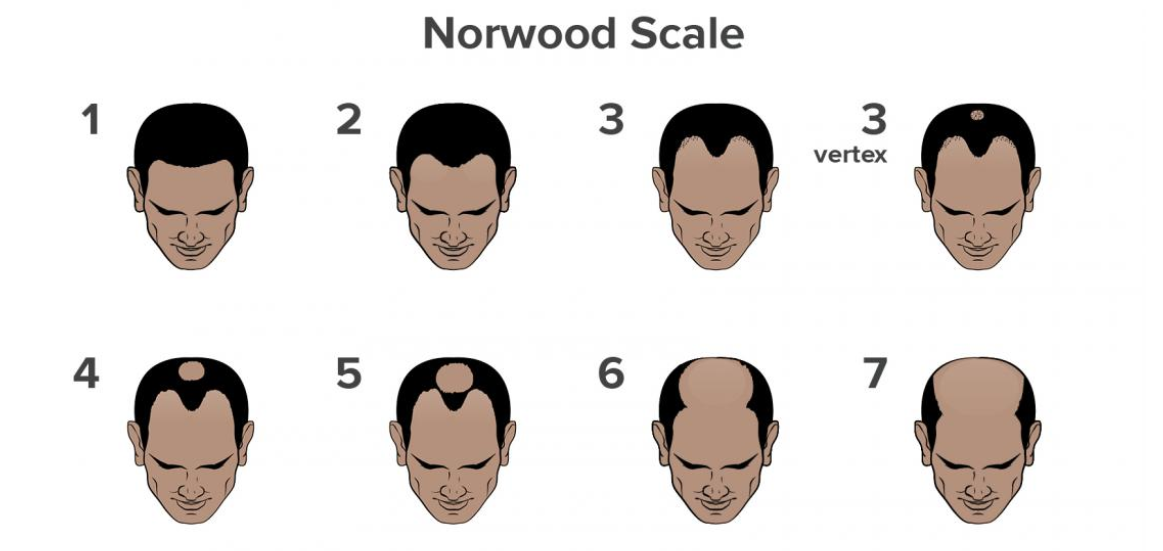
Many failures stem from patients expecting too much from a single procedure. It’s essential to understand that hair transplants have limits, and expecting to fill an entire scalp with thick hair immediately is impractical.A transplant can significantly improve one’s appearance, but it won’t instantly restore a full head of hair, especially if the patient’s hair loss continues over time. For example, a patient with only a receding hairline might get satisfactory results, but those with extensive baldness must accept that multiple sessions or ongoing care may be necessary. Proper preoperative counseling to set realistic goals is critical for satisfaction.
5. Neglecting Post-Operative Care
Postoperative care is often overlooked, yet it plays a crucial role in maintaining transplant vitality. Transplanted hair, though resilient, benefits from proper nurturing using medications like Minoxidil or Biotin supplements to slow natural hair loss.Failure to follow mandatory aftercare instructions can adversely affect the outcome, resulting in weak growth or premature hair shedding. Patients should plan for follow-up treatments after 2-3 years and maintain a consistent regimen to prolong results. Clinics emphasizing ongoing support tend to have higher success rates.
Conclusion
Hair transplant success hinges on multiple factors, including careful donor site planning, skilled surgical execution, managing patient expectations, and diligent post-op care. Patients must conduct thorough research, seek experienced professionals, and maintain realistic goals to ensure satisfying, natural results. Clinics should prioritize transparency, continuous patient support, and ethical practices over aggressive marketing tactics. By understanding these key principles, individuals can make informed decisions and enjoy long-lasting, effective hair restoration.