


3 Hair-Loss Signs That Warrant an Assessment
Changes in the hairline, crown or amount of shedding can be reasons to seek a hair-loss assessment. They do not identify the cause by themselves and do not establish that surgery is needed. Hair loss may be gradual or sudden, and more than one condition can sometimes be present.
Do visible signs show that it is time for a hair transplant?
No visible sign by itself establishes that a hair transplant is appropriate. Suitability can depend on the cause and stability of hair loss, scalp and donor characteristics, medical history, expectations and available alternatives. A qualified clinician should assess these factors before recommending surgery or timing. Monitoring or a non-surgical treatment may be more appropriate.
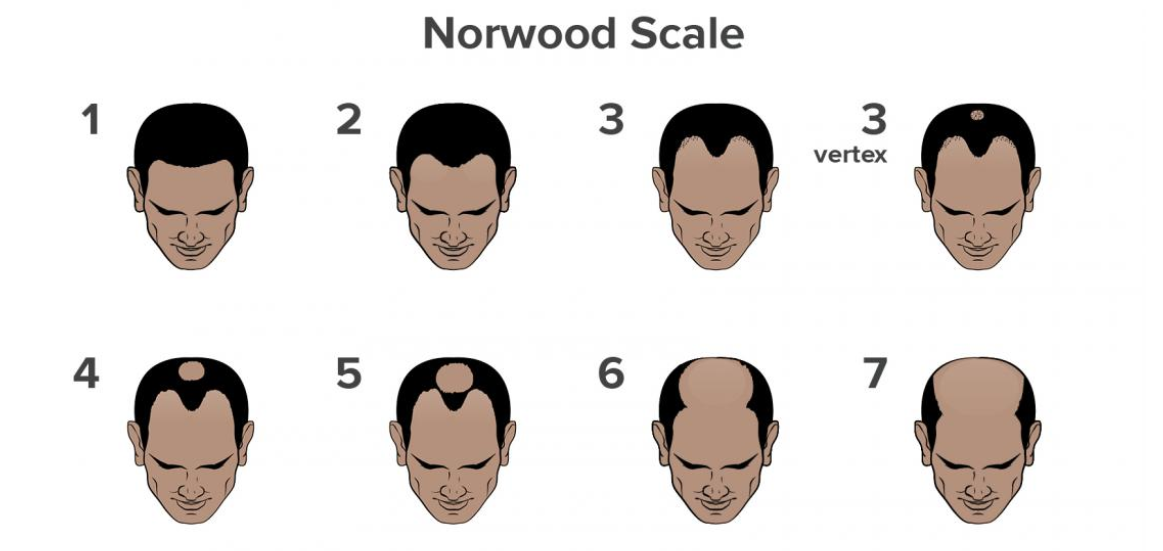
Sign 1: A hairline or part that is changing over time
A gradually receding hairline, widening part or reduced density near the temples can occur with pattern hair loss, but other causes are possible. Comparing clear photographs taken in similar lighting and from similar angles may help show change over time; photographs cannot provide a diagnosis.
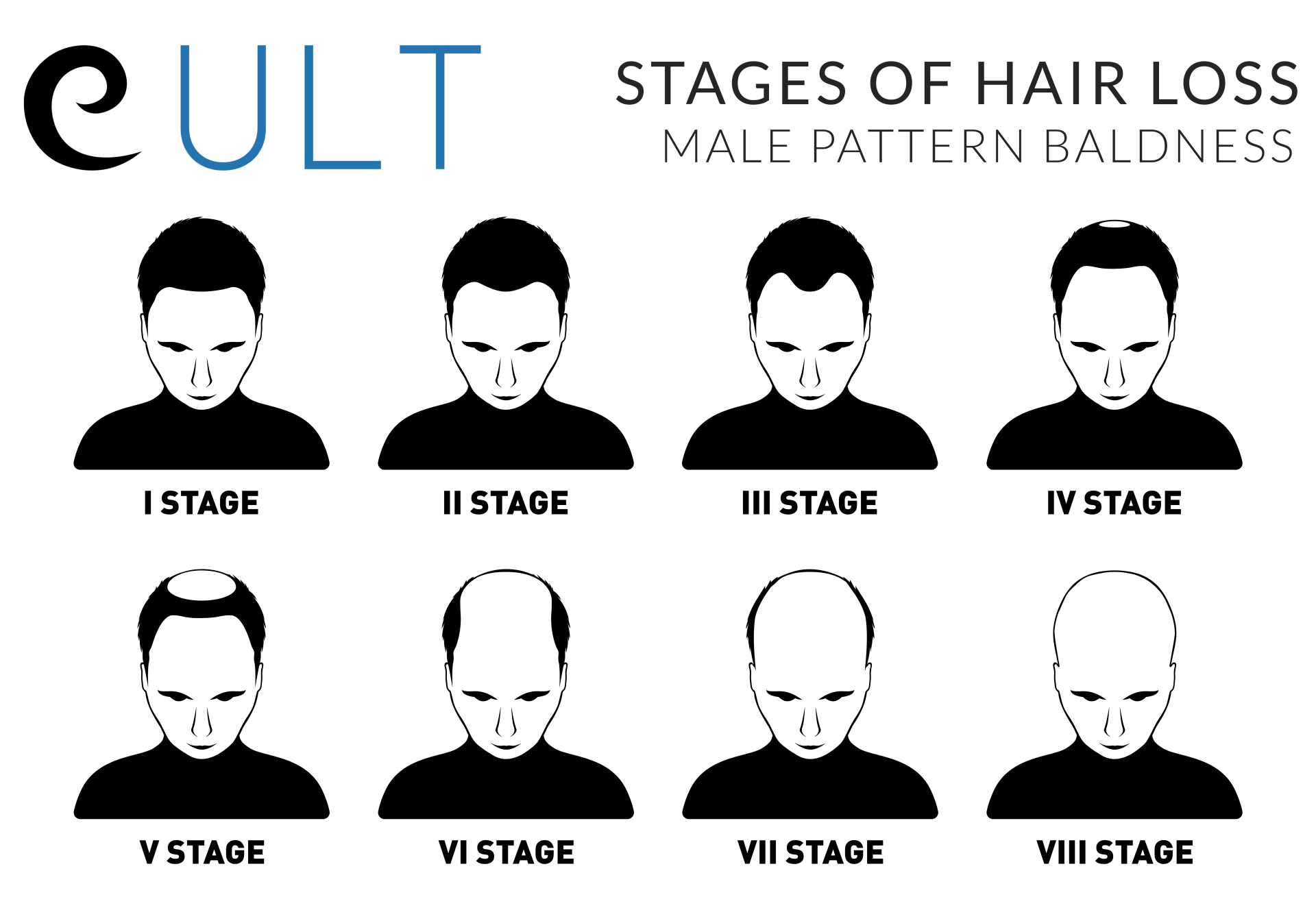
Sign 2: Thinning at the crown or reduced overall density
Crown thinning can be difficult to notice without photographs or help from another person. Diffuse thinning may also affect the wider scalp. The pattern, rate of change and condition of the scalp are more useful when considered together during an assessment.
Sign 3: Sudden shedding, distinct patches or scalp symptoms
A sudden increase in shedding, a sharply defined patch, broken hairs, redness, scaling, pain or discharge warrants assessment because these features can occur with different medical or scalp conditions. Prompt evaluation may be particularly important when the change is rapid or accompanied by inflammation.
What determines hair-transplant suitability?
A clinician may consider the diagnosis, whether loss is stable, donor-hair availability, scalp health, medical history, age, ongoing treatments, goals and realistic limitations. Some people may be advised to treat an underlying cause, monitor progression or consider non-surgical options before surgery is discussed.
Preparing for an assessment
Bring a timeline of the changes, relevant photographs, a list of medicines and supplements, family history and details of previous treatment. For information about the clinic’s assessment pathway, visit the hair-fall treatment and consultation page or call +91-9990449555.
Hair Restoration Resources
Surgeon-authored guides on every aspect of hair transplant decision-making in Gurgaon and Delhi.
- ➜ Hair Transplant in Gurgaon
- ➜ Hair Transplant Cost in Gurgaon 2026
- ➜ FUE vs DHI vs Sapphire — Surgeon's Guide
- ➜ PRP vs GFC vs Mesotherapy
- ➜ How to Choose a Hair Transplant Surgeon
- ➜ Hair Transplant Cost in India 2026
- ➜ FUE Hair Transplant Gurgaon
- ➜ DHI Hair Transplant Gurgaon
- ➜ GFC Hair Treatment Gurgaon
- ➜ PRP Hair Treatment Gurgaon
- ➜ Hair Fall Treatment Gurgaon
- ➜ Best Hair Transplant Clinic in Delhi
- ➜ Beard Transplant Gurgaon
- ➜ Hair Transplant in Delhi