

The FUE vs FUT hair transplant debate is one of the most common questions patients ask when considering hair restoration. Both Follicular Unit Extraction (FUE) and Follicular Unit Transplantation (FUT) are proven techniques that deliver permanent, natural-looking results. However, they differ significantly in procedure, scarring, recovery time, cost, and suitability for different hair loss grades. In this comprehensive guide, Dr. Gaurav Solanki at Cult Aesthetics,https://cultaesthetics.in/hair-transplant-in-gurgaon/ Gurgaon, breaks down everything you need to know to make the right choice.
What Is FUE Hair Transplant?
FUE stands for Follicular Unit Extraction. In this method, individual hair follicles are extracted one by one from the donor area using a micro-punch tool. This leaves tiny dot scars that are virtually invisible. At Cult Aesthetics, Dr. Gaurav Solanki uses advanced motorized FUE tools that ensure precise extraction with minimal graft damage.
What Is FUT Hair Transplant?
FUT stands for Follicular Unit Transplantation, also known as the strip method. A thin strip of scalp is removed from the donor area, and individual follicular units are dissected under a microscope. This technique allows harvesting a large number of grafts in a single session. FUT leaves a linear scar that is easily hidden by surrounding hair.
FUE vs FUT Hair Transplant: Which Method Should You Choose?
The best method depends on your specific situation. FUE is ideal for patients who prefer shorter haircuts, need smaller graft counts, or want minimal scarring. FUT is better for patients who need maximum graft yield in one session. Many patients at Cult Aesthetics benefit from a combined approach to maximize coverage.
FUE vs FUT Hair Transplant Recovery Time Comparison
FUE recovery is faster with most patients returning to normal activities within 5-7 days. FUT recovery takes slightly longer with suture removal needed at 10-14 days. Full recovery for both methods occurs within 3-4 weeks. Schedule a free consultation with Dr. Gaurav Solanki at Cult Aesthetics to determine the best method for you. Visit cultaesthetics.in.
FUE vs FUT Hair Transplant Cost Comparison
Cost is a major factor in the FUE vs FUT hair transplant decision. At Cult Aesthetics in Gurgaon, FUE typically costs Rs 30-50 per graft due to the precision required and specialized equipment involved. FUT is generally more affordable at Rs 20-35 per graft since the strip harvesting technique allows faster extraction of a larger number of grafts. For a typical 2,000-graft procedure, FUE may cost between Rs 60,000-1,00,000 while FUT may range from Rs 40,000-70,000. Dr. Gaurav Solanki provides transparent pricing with no hidden charges during your free consultation.
Scarring: FUE vs FUT Differences
Scarring is one of the biggest differentiators between FUE and FUT hair transplant methods. FUE creates tiny circular punch marks (0.6-1mm) scattered across the donor area that heal as nearly invisible dot scars. Patients can comfortably wear short hairstyles without any visible signs of surgery. FUT, on the other hand, leaves a single linear scar along the back of the head where the strip was removed. This scar is typically 1-2mm wide and is easily concealed by hair that is at least 1 inch long. At Cult Aesthetics, Dr. Gaurav Solanki uses trichophytic closure techniques for FUT that minimize scar visibility significantly.
Can FUE and FUT Be Combined?
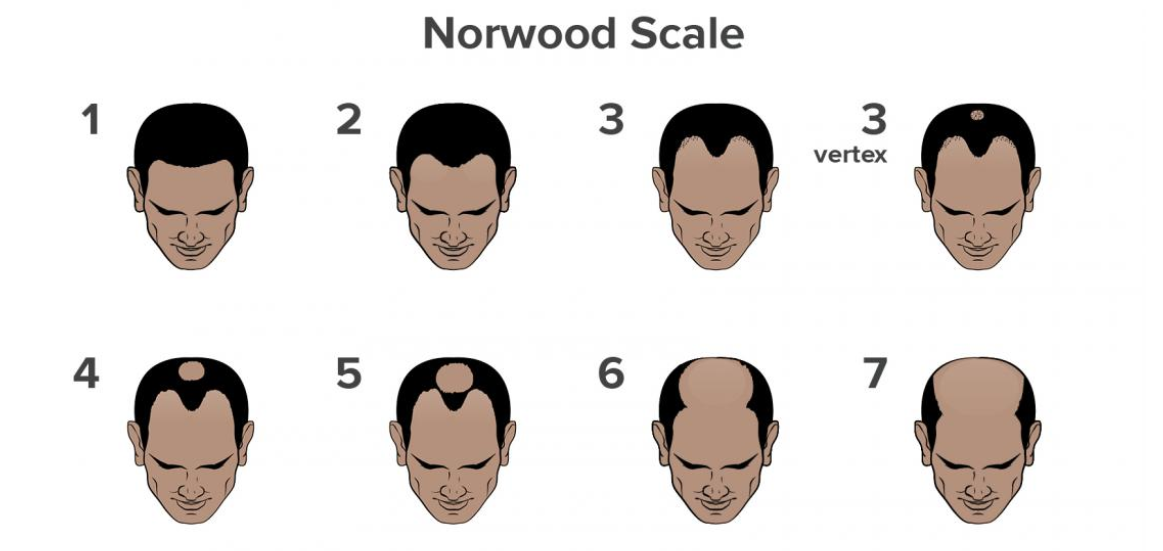
Yes, many experienced surgeons including Dr. Gaurav Solanki at Cult Aesthetics recommend a combined FUE and FUT approach for patients with advanced hair loss (Norwood Grade 5-7). This hybrid technique maximizes the total number of grafts available from the donor area. FUT harvests the strip first, then FUE extracts additional follicles from surrounding areas. This combined approach can yield 4,000-5,000+ grafts in a single session, providing significantly better coverage than either technique alone. During your consultation, Dr. Solanki will assess your donor area capacity and recommend the optimal approach for your specific hair loss pattern.
Conclusion: Choosing the Right Hair Transplant Method
Whether you choose FUE, FUT, or a combined approach, the most important factor is selecting an experienced surgeon who can evaluate your unique hair loss situation. At Cult Aesthetics in Gurgaon, Dr. Gaurav Solanki has over 10 years of experience performing both FUE and FUT hair transplants with a track record of natural, lasting results. Book your free consultation today by calling +91-9990449555 or visiting our clinic to discuss which method is right for you.
Frequently Asked Questions About FUE vs FUT Hair Transplant
Which is better, FUE or FUT hair transplant?
Neither method is universally better. FUE is ideal for patients who prefer shorter hairstyles and want minimal scarring, while FUT is better suited for patients needing maximum grafts in a single session. Your hair loss grade, donor area density, and lifestyle preferences all influence the best choice. Dr. Gaurav Solanki at Cult Aesthetics evaluates each patient individually to recommend the most effective approach.
Is FUE hair transplant painful?
FUE hair transplant is performed under local anesthesia, so patients experience minimal discomfort during the procedure. Most patients report mild soreness for 2-3 days post-surgery, easily managed with prescribed medication. FUT may involve slightly more post-operative discomfort due to the linear incision, but modern techniques at Cult Aesthetics ensure both procedures are well-tolerated.
How long does FUE vs FUT recovery take?
FUE recovery typically takes 7-10 days, with most patients returning to work within 5-7 days. FUT recovery takes 10-14 days due to the suture line, which is removed after 10-12 days. Both procedures show initial hair growth at 3-4 months, with full results visible at 12-18 months.
What is the success rate of FUE and FUT hair transplants?
Both FUE and FUT have high success rates of 90-95% graft survival when performed by an experienced surgeon. At Cult Aesthetics in Gurgaon, Dr. Gaurav Solanki consistently achieves excellent graft survival rates using advanced techniques for both procedures.
Related hair restoration pages
Hair Restoration Resources
Surgeon-authored guides on every aspect of hair transplant decision-making in Gurgaon and Delhi.
- ➜ Hair Transplant in Gurgaon
- ➜ Hair Transplant Cost in Gurgaon 2026
- ➜ FUE vs DHI vs Sapphire — Surgeon's Guide
- ➜ PRP vs GFC vs Mesotherapy
- ➜ How to Choose a Hair Transplant Surgeon
- ➜ Hair Transplant Cost in India 2026
- ➜ FUE Hair Transplant Gurgaon
- ➜ DHI Hair Transplant Gurgaon
- ➜ GFC Hair Treatment Gurgaon
- ➜ PRP Hair Treatment Gurgaon
- ➜ Hair Fall Treatment Gurgaon
- ➜ Best Hair Transplant Clinic in Delhi
- ➜ Beard Transplant Gurgaon
- ➜ Hair Transplant in Delhi