
PRP (platelet-rich plasma) therapy is one of the most effective non-surgical hair loss treatments for women, particularly for female pattern hair loss in Ludwig Grade I–II, postpartum shedding, PCOS-driven thinning, and stress-induced telogen effluvium. A typical course is 4–6 sessions spaced 4 weeks apart, with first visible reduction in shedding by week 4–6 and density improvement at 3–6 months. PRP is non-hormonal, doesn’t interfere with contraception or thyroid medication, and can be safely combined with most other treatments women commonly use.
That’s the headline. Female hair loss is rarely just one cause it usually layers hormonal shifts, nutritional gaps, stress, and genetics in ways that male pattern loss doesn’t. This guide explains exactly when PRP is the right call for women, when it’s not, what to expect from your Gurgaon protocol, and how it pairs with the other treatments women often need alongside it.
Written by the medical team at Cult Aesthetics, Sector 46, Gurugram. Dr. Gaurav Solanki, MDS Oral and Maxillofacial Surgeon, Co-Founder, supervises every PRP protocol at the clinic. Cult Aesthetics confirms 800+ documented hair transplant cases.
Why is PRP different for women than for men?
Most PRP content online quietly assumes the patient is a man with classic male pattern baldness a clear receding hairline, a defined zone of loss, predictable response. Female hair loss doesn’t behave the same way, and the protocol needs to account for it.
Three differences matter:
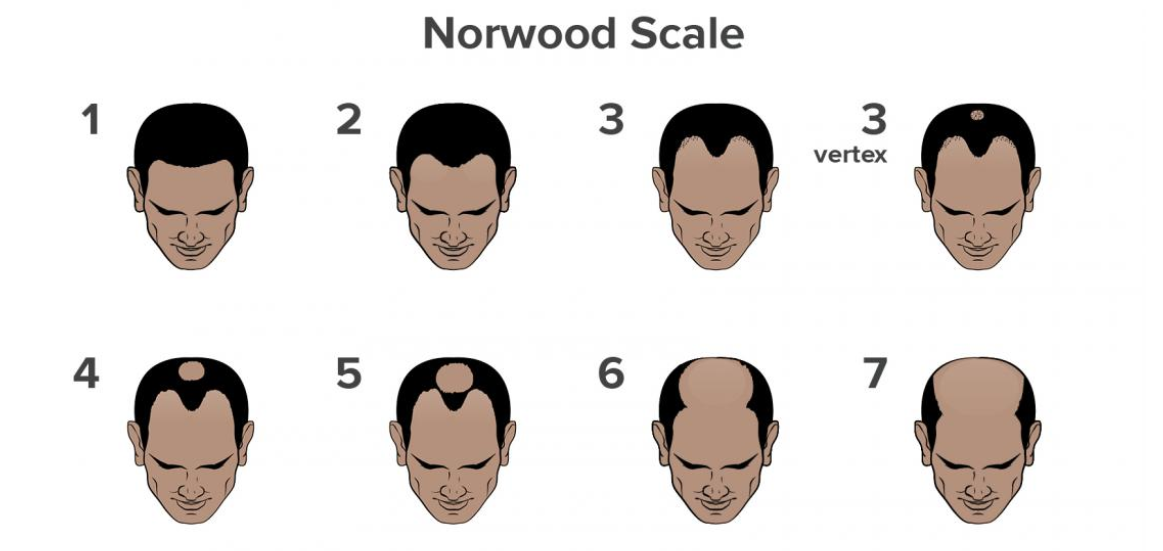
1. The pattern is usually diffuse, not zonal. Women rarely get the textbook Norwood horseshoe. The far more common picture is widening of the central parting, thinning across the entire crown, or generalised reduction in density Ludwig Grade I, II, or III. PRP needs to be distributed across a wider treatment field, not concentrated in one zone.
2. The cause is rarely just genetic. Female pattern loss usually layers genetic predisposition with at least one of: post-pregnancy hormonal shift, PCOS, hypothyroidism, iron or vitamin D deficiency, chronic stress, or aggressive dieting. PRP works on the follicle, but if the underlying cause isn’t addressed in parallel, results plateau or reverse.
3. Other medications and life stages create constraints. Most women in the typical hair-loss age band (25–50) are also on contraception, thyroid medication, or considering pregnancy. PRP is one of the few hair loss treatments that’s non-hormonal it doesn’t interfere with any of these. That’s a genuine clinical advantage over oral finasteride or spironolactone.
Which women are the best candidates for PRP?
Strongest results, in our experience at Cult Aesthetics, in this order:
1. Early-to-moderate female pattern hair loss (Ludwig Grade I or II)
Visible widening of the parting, central scalp thinning, but the follicles are still alive and the scalp isn’t smooth in any zone. This is the textbook PRP candidate clinical evidence is strongest here, satisfaction rates are highest, and density improvements are measurable on trichoscopy within 6 months.
2. Postpartum hair shedding (telogen effluvium)
The sudden, alarming hair fall that starts 3–6 months after delivery and feels like it’ll never stop. Most cases self-resolve in 9–12 months, but PRP combined with iron and ferritin correction accelerates recovery and often produces visibly better regrowth than waiting it out. Important caveat: not while breastfeeding (insufficient safety data).
3. PCOS-driven hair thinning
Diffuse loss in women with polycystic ovary syndrome, usually with elevated androgens. PRP alone isn’t a complete answer here the hormonal driver still needs medical management. But PRP adds meaningful density when layered onto a PCOS management plan that also addresses insulin sensitivity and androgen levels.
4. Stress-related diffuse shedding
Post-COVID, post-major-life-event, post-crash-diet, post-bereavement. Telogen effluvium that hasn’t resolved after 6 months. PRP plus deficiency correction usually delivers visible improvement within one course.
5. Maintenance after a hair transplant
Women who’ve had hair transplant surgery often add PRP at 3 and 6 months post-op to protect graft survival and accelerate density.
Who shouldn’t get PRP or should wait?
PRP is one of the safest hair loss treatments available, but it isn’t right in every case. We delay or decline PRP if:
- Pregnant or breastfeeding insufficient safety data, defer until after weaning
- On anticoagulant medication (warfarin, heparin, apixaban) the platelet-driven mechanism depends on normal clotting
- Active scalp infection, folliculitis, or open wound treat the skin condition first
- Unmanaged thyroid disease, severe iron deficiency, or autoimmune alopecia areata the underlying condition needs to be addressed by a dermatologist first
- Ludwig Grade III with smooth, shiny scalp zones follicles may already be dormant beyond what PRP can revive; a transplant conversation is more honest
At Cult Aesthetics, every female patient gets a basic blood panel (ferritin, vitamin D, B12, TSH, free testosterone) and detailed history review before the first PRP session. We routinely turn women away from PRP when the real fix is endocrine and tell them so.
How does a PRP session for women actually work?
The session itself takes 60–90 minutes start to finish.
- Consultation and assessment Ludwig grading, trichoscopy, review of recent blood work, photo documentation of current density
- Blood draw 20–30 ml from the arm, same as any routine test
- Centrifugation the blood is spun at controlled speed to separate red cells, white cells, and platelet-rich plasma. The PRP layer is drawn off into a syringe
- Topical anaesthetic applied to the scalp 30 minutes before injection
- Injection PRP is injected at multiple points across the treatment field, usually 30–60 injections covering the part line, crown, and any zone of measurable thinning. A fine-gauge needle keeps discomfort minimal
- Recovery you walk out the same day; the scalp can feel mildly tender for 12–24 hours
You can wash your hair the next day (with a gentle shampoo we provide), return to gym at 48 hours, and resume colouring/styling after a week.
How much does PRP for women cost in Gurgaon?
In the 2026 Gurgaon market, PRP for hair loss in women is priced per session, with package rates for the full course.
| What you’re paying for | Gurgaon range (2026) |
|---|---|
| Per single PRP session | ₹7,000 – ₹12,000 |
| Initial course (4–6 sessions) | ₹28,000 – ₹72,000 |
| Maintenance (every 4–6 months, after course) | ₹14,000 – ₹36,000 per year |
Pricing reflects researched Gurgaon market ranges. Final cost depends on your Ludwig grade, treatment field size, and number of sessions required after consultation. Cult Aesthetics provides a written cost estimate after trichoscopy.
If a clinic quotes you ₹3,000–₹4,000 per session, that’s a red flag at that price, the centrifuge cycle is being shortened (lower platelet concentration), or the injector isn’t a doctor.
What results can I realistically expect, and when?
Three milestones to mark on the calendar:
Weeks 3–6 after first session: reduced daily shedding. Most women notice fewer strands on the pillow, in the shower drain, in the brush. This is the earliest signal that the protocol is working but it’s not visible density yet.
Months 3–4 (after sessions 3–4): visible new growth. Shorter, finer “baby hairs” start filling in along the parting and crown. The parting itself looks less stark in good light.
Months 5–7 (full course complete): measurable density improvement on trichoscopy and on side-by-side photos. The widening of the parting partially reverses. Hair feels thicker, holds styling better.
Research summary (PMC 2022 study by Patil et al. on PRP in pattern hair loss): patient satisfaction averaged 7/10, and 9 of 11 study patients showed measurable growth on objective density measurement.
“For most of my female PRP patients, the biggest emotional shift isn’t visible density it’s seeing the shower drain empty after 6 weeks. The pattern of constant loss is what wears women down. Once it stops, everything else feels manageable.”
Dr. Gaurav Solanki, MDS Oral and Maxillofacial Surgeon, Co-Founder, Cult Aesthetics
Can I do PRP if I’m planning to get pregnant or if I’m trying for a baby?
Yes, with timing. PRP is non-hormonal and uses only your own blood, so there’s no medication washout period needed before conception. The protocol question is sequencing:
- Trying to conceive: safe to start PRP. If you conceive during a course, we pause remaining sessions until after delivery and breastfeeding
- Pregnant: defer all PRP. Not because of known harm, but because pregnancy safety data is insufficient and the cautious clinical default is to wait
- Breastfeeding: also defer. Resume once weaning is complete
- Post-partum, no longer nursing: ideal window to start. Often the most clinically rewarding PRP cases postpartum telogen effluvium responds very well
PRP vs the other options women consider when does each one fit?
PRP isn’t the only choice. Here’s how it compares to the other treatments women commonly evaluate.
PRP vs Minoxidil (Rogaine): Minoxidil works, but requires daily lifelong application stop using it and any gains reverse within 6 months. PRP requires only periodic maintenance sessions. Most patients at Cult Aesthetics combine the two for the first 6–12 months and then taper minoxidil.
PRP vs GFC: GFC (Growth Factor Concentrate) is the newer, more concentrated version of PRP delivers 5–10× more growth factors per session, often produces faster results in fewer sessions. For moderate-to-advanced female pattern loss, GFC is increasingly the better clinical choice. Full PRP vs GFC vs Mesotherapy comparison here.
PRP vs Mesotherapy: Mesotherapy delivers a vitamin/peptide cocktail rather than growth factors. It’s the right pick if blood tests show clear deficiencies. PRP and Mesotherapy combine well in a layered protocol.
PRP vs hair transplant: Different problems. PRP revives weak existing follicles. A hair transplant moves donor follicles to dead zones. When a transplant is the right call for women.
What does a typical PRP plan look like for a 32-year-old woman at Cult Aesthetics?
To make the abstract concrete, here’s a typical Cult Aesthetics protocol for a common presentation Ludwig Grade I female pattern loss in a 32-year-old patient with normal blood work:
- Month 0: consultation, trichoscopy, blood panel, photo baseline. PRP session 1
- Month 1: PRP session 2
- Month 2: PRP session 3
- Month 3: PRP session 4. Photo review at this visit
- Month 6: 6-month outcome review. Photo comparison, trichoscopy density measurement, plan maintenance schedule
- Months 10–12: first maintenance session if density is being maintained well; sooner if early signs of decline
For PCOS, postpartum, or deficiency-driven cases, we layer in Mesotherapy sessions between the PRP visits to address nutritional gaps in parallel.
Will PRP work if I’ve been losing hair for years?
It depends on what’s still alive. If your scalp shows vellus (fine “peach fuzz”) hair visible under good light or trichoscopy magnification, PRP usually still works the follicles are dormant, not dead. If the affected zone has been smooth, shiny, and completely vellus-free for more than 2–3 years, PRP results will be limited, and we’d recommend a different conversation (GFC, exosomes, or a transplant consult).
An honest scalp assessment is the only way to know. We do this in consultation in 15 minutes.
How Dr. Gaurav Solanki approaches PRP for women at Cult Aesthetics
Three principles drive the female PRP protocol at Cult Aesthetics:
1. Diagnose before treating. Every female PRP candidate gets a basic blood panel and trichoscopy. We’ve had patients arrive expecting to book PRP and leave with a referral to an endocrinologist because the real issue was thyroid or PCOS. PRP on top of an unmanaged underlying cause is throwing money at the symptom.
2. Treat the whole picture, not just the follicle. PRP is rarely a solo protocol for women. Most plans combine PRP with topical minoxidil for the first 6–12 months, oral iron or vitamin D if deficient, and dietary changes if relevant. The combination outperforms any single intervention.
3. Set honest expectations. PRP can reverse the parting widening, restore density, and stop shedding but it doesn’t grow new hair on a zone where follicles are completely dead, and it requires ongoing maintenance. We say this on the first call, not after the fourth session.
Dr. Solanki personally performs the trichoscopy and injection protocol for every female patient at the Sector 46, Gurugram clinic. Message him directly on WhatsApp with your scalp photos for a same-day assessment.
Frequently asked questions
Does PRP for women really work, or is it overhyped?
PRP works for the right patient. Clinical evidence is strongest for female pattern hair loss in Ludwig Grade I–II, postpartum telogen effluvium, and stress-induced shedding where follicles are still viable. It’s weaker for advanced loss with dormant follicles, for unmanaged hormonal conditions, and for alopecia areata (autoimmune cause). Set realistic expectations measurable density improvement at 6 months, not magical regrowth in 6 weeks.
Is PRP safe during pregnancy?
We don’t recommend PRP during pregnancy or breastfeeding. Not because of any documented harm, but because pregnancy safety data is insufficient and the standard medical-caution default is to defer elective treatments. Resume once you’ve finished breastfeeding postpartum is actually one of the best windows for PRP.
How many PRP sessions will I need?
Most women need 4–6 sessions for the initial course, spaced 4 weeks apart. After that, maintenance sessions every 4–6 months keep results stable. Your exact session count is determined by your Ludwig grade and trichoscopy findings at consultation.
Will PRP help if I have PCOS?
Yes, but PRP alone won’t fix PCOS-driven hair loss. PRP needs to layer onto a PCOS management plan that addresses androgen levels and insulin sensitivity typically managed by your endocrinologist or gynaecologist. Once the hormonal driver is controlled, PRP adds meaningful density. Skipping the underlying PCOS management makes PRP much less effective.
Will my hair colour or styling routine affect PRP results?
You can colour and style normally between sessions. We do recommend avoiding harsh chemical treatments (relaxers, bleach) for 48 hours immediately before and after each session, and skipping aggressive heat styling for a week post-session. Otherwise normal routine is fine.
Is PRP painful?
Topical numbing cream is applied 30 minutes before injection, which makes the procedure tolerable for most patients mild pressure, brief tingling. The injections themselves take 10–15 minutes. Discomfort usually settles within a few hours, and any tenderness is gone by the next day.
What’s the difference between PRP and GFC for women?
GFC delivers a higher concentration of pure growth factors (5–10× more than standard PRP) with less inflammation. For Ludwig Grade II+ female pattern loss, GFC often produces measurable density gains in fewer sessions than PRP. For early-stage Grade I loss, PRP is usually sufficient and more cost-effective. We choose between them based on your scalp assessment, not on what’s newer.
Ready to find out if PRP is right for your scalp?
Send clear scalp photos (top, sides, parting view) on WhatsApp to +91 99904 49555. Dr. Solanki personally reviews each one and tells you within the day whether PRP, GFC, Mesotherapy, or a combination is the right starting point. If we don’t think any of them are right for you yet, we’ll say so.
Cult Aesthetics Sector 46, Gurugram | WhatsApp Dr. Solanki +91 99904 49555
About the Author
Dr. Gaurav Solanki, MDS Oral and Maxillofacial Surgeon Co-Founder, Cult Aesthetics, Sector 46, Gurugram. 12+ years in hair restoration. Personally supervises every PRP, GFC, and Mesotherapy protocol at the clinic, including women-specific protocols for female pattern hair loss, postpartum shedding, and PCOS-driven thinning. Read full bio →
What women say about PRP at Cult Aesthetics
Verified Google reviews from women patients who completed PRP/GFC treatment at Cult Aesthetics, Sector 46, Gurugram.
“Have got hair fall management with Cult Aesthetics and got really good results. I had done hair botox at a salon 7 months after that, rapidly lost hair. Took GFC / PRP sessions on recommendation of Dr Gaurav and got amazing results in 3 months only, and now I am taking maintenance sessions from the clinic.”
“Being a doctor myself, I was apprehensive and needed authentic information about procedures like PRP and GFC. Right off the bat, Dr Gaurav Solanki was extremely confident in the procedure and the results it would show. He was extremely descriptive about the process and cleared all my doubts. I got my GFC/PRP sessions from Dr Gaurav and noticed a significant reduction in my hair fall and the overall quality of my hair. The whole experience was seamless because of him and his entire staff who are very prompt and skilled. I would highly recommend his clinic.”
“Have got very good results for PRP done with Dr Gaurav Solanki in Gurgaon clinic. Best part is Dr Gaurav stays in touch with his patients directly, and he always responds to calls.”
Related reading
- PRP vs GFC vs Mesotherapy: which one actually works
- Hair transplant for women in India surgeon’s 2026 guide
- Hair fall treatment in Gurgaon full options overview
- Hair transplant cost in Gurgaon pricing guide
Hair Restoration Resources
Surgeon-authored guides on every aspect of hair transplant decision-making in Gurgaon and Delhi.
- ➜ Hair Transplant in Gurgaon
- ➜ Hair Transplant Cost in Gurgaon 2026
- ➜ FUE vs DHI vs Sapphire — Surgeon's Guide
- ➜ PRP vs GFC vs Mesotherapy
- ➜ How to Choose a Hair Transplant Surgeon
- ➜ Hair Transplant Cost in India 2026
- ➜ FUE Hair Transplant Gurgaon
- ➜ DHI Hair Transplant Gurgaon
- ➜ GFC Hair Treatment Gurgaon
- ➜ PRP Hair Treatment Gurgaon
- ➜ Hair Fall Treatment Gurgaon
- ➜ Best Hair Transplant Clinic in Delhi
- ➜ Beard Transplant Gurgaon
- ➜ Hair Transplant in Delhi